Shopping Cart
There are no more items in your cart

-
Home
-
Epoxy and Polyester RESINS, HARDENERS AND GELCOATS
- CARBON, GLASS AND ARAMID ROWINGS
-
FABRICS
-
 TAPES AND BRAIDS
- NON-WOVEN FABRICS, FIBERGLASS MATS, FLEECE
- SANDWICH MATERIALS
- Polyurethane foams
- SILICONES
- RELEASE AGENTS AND FILLERS
- Pigments for colouring
- Putties, Thinners
-
AUXILIARY MATERIALS AND ACCESSORIES
-
Epoxy and Polyester RESINS, HARDENERS AND GELCOATS
-
Epoxy and Polyester RESINS, HARDENERS AND GELCOATS
- CARBON, GLASS AND ARAMID ROWINGS
-
FABRICS
-
TAPES AND BRAIDS
- NON-WOVEN FABRICS, FIBERGLASS MATS, FLEECE
- SANDWICH MATERIALS
- Polyurethane foams
- SILICONES
- RELEASE AGENTS AND FILLERS
- Pigments for colouring
- Putties, Thinners
-
AUXILIARY MATERIALS AND ACCESSORIES
 *Epoxy HAVEL*
 Polyester resins and gelcoats
 Glass fabrics
 Yarn
Yarn

 Aeroglass
 Pigments

Pouring epoxy resin designed primarily for creating castings with a thickness of 0-9cm. For example, pouring wooden table slabs into so-called Rivertables, etc.
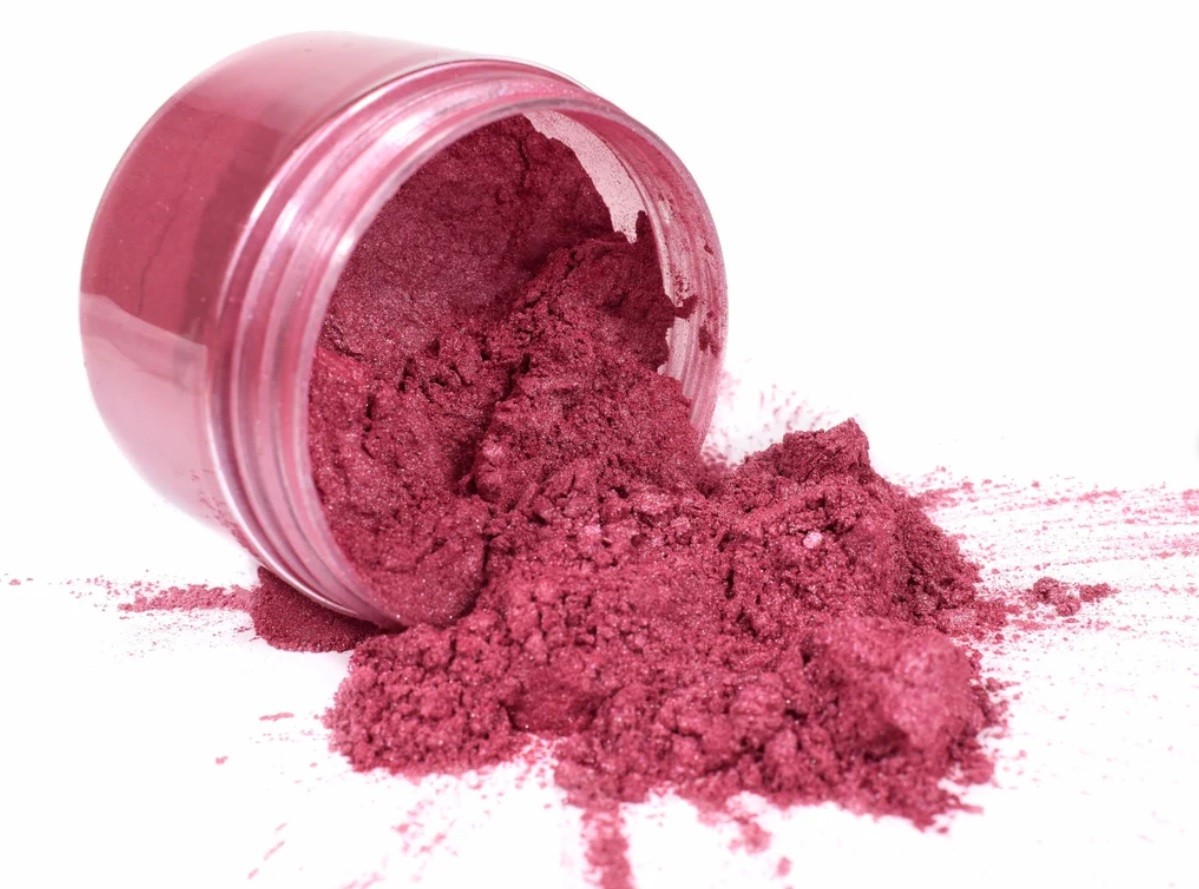
Excellent UV stability, clarity, colorless with the possibility of tinting using dyes and pigments, cures at room temperature.
Mixing ratio epoxy: hardener = 100:40 by weight (a larger part of the hardener results in greater flexibility of the product).
The maximum layer thickness is 9 cm.
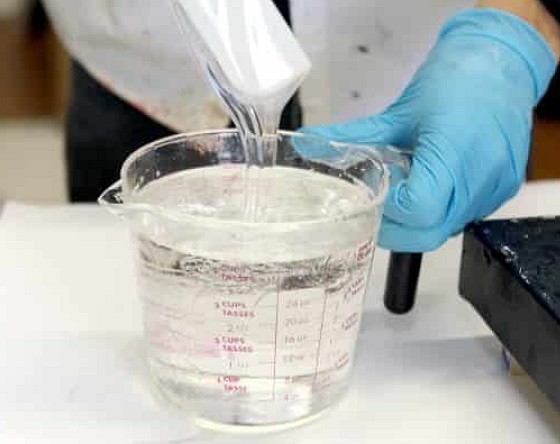
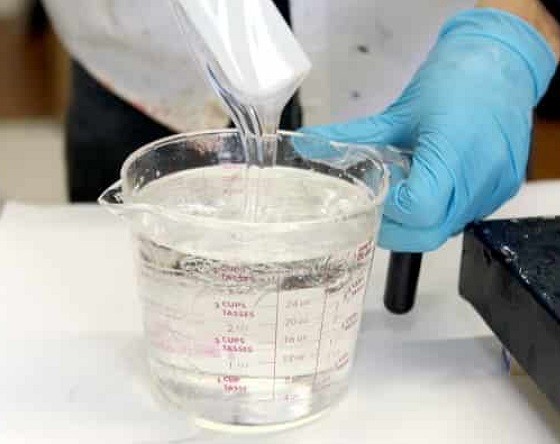
Mixing is the most important. 99% of quality variations result from poor mixing. We strongly recommend following the basic rules below:
- Our mixing ratios are expressed by weight: always use a scale and check that it is accurate - especially if it is battery-operated.
- Start by pouring the hardener into a container for pre-mixing.
- Add the appropriate amount of WWA resin.
- Mix thoroughly but slowly to avoid creating too many air bubbles.
- Once the mixture is perfectly clear and homogeneous, pour it into a second container.
- Before pouring into the mold, mix again to ensure perfect optical clarity.
- Wood selection: Choose dry/seasoned wood as straight as possible. Do not leave the bark, as it would be a weak point; remove it and sand the edges where the bark was.
- Wood stabilization: Wood is a porous material; during curing, air bubbles may escape from the wood. To prevent this, it is recommended to coat the wood with a layer of epoxy resin. Fill cracks, knots, and all porous areas starting with what will be at the bottom of the table, so when you place the wood into the resin, air will not escape. As with any cured epoxy resin, you will need to sand the surface before pouring additional resin to ensure adhesion.
Once the mixture is homogeneous, it is ready to be poured into the mold. During this phase, bubbles may appear; they will disappear within 15 minutes. WWA does not require vacuum mixing.
eshop_000034
No reviews
Tap to zoom