Shopping Cart
There are no more items in your cart

-
Home
-
Epoxy and Polyester RESINS, HARDENERS AND GELCOATS
- CARBON, GLASS AND ARAMID ROWINGS
-
FABRICS
-
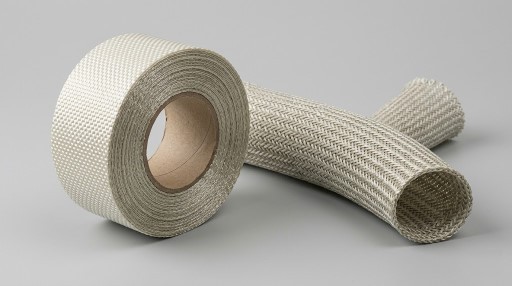 TAPES AND BRAIDS
- NON-WOVEN FABRICS, FIBERGLASS MATS, FLEECE
- SANDWICH MATERIALS
- Polyurethane foams
- SILICONES
- RELEASE AGENTS AND FILLERS
- Pigments for colouring
- Putties, Thinners
-
AUXILIARY MATERIALS AND ACCESSORIES
-
Epoxy and Polyester RESINS, HARDENERS AND GELCOATS
-
Epoxy and Polyester RESINS, HARDENERS AND GELCOATS
- CARBON, GLASS AND ARAMID ROWINGS
-
FABRICS
-
TAPES AND BRAIDS
- NON-WOVEN FABRICS, FIBERGLASS MATS, FLEECE
- SANDWICH MATERIALS
- Polyurethane foams
- SILICONES
- RELEASE AGENTS AND FILLERS
- Pigments for colouring
- Putties, Thinners
-
AUXILIARY MATERIALS AND ACCESSORIES
 *Epoxy HAVEL*
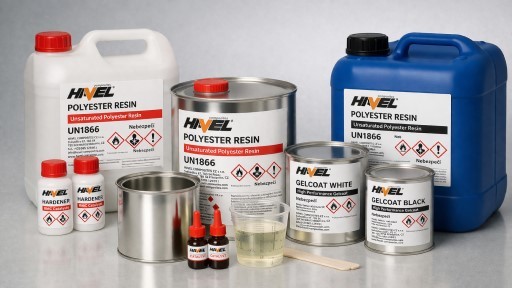 Polyester resins and gelcoats
 Glass fabrics
 Yarn
Yarn

 Aeroglass
 Pigments
Epoxidová pryskyřice 324 ( 371 1200 )
Kč398.60
Tax included
CHS EPOXY 1200 is a tough, high-density resin ideal for bonding various materials. Mixed with hardener P 11 in a 100:7 ratio, it offers a working time of 15-20 minutes at 20°C. Suitable for repairs and applications requiring flexibility after curing. Cures at room temperature or up to 60°C within 48 hours.
Relatively inexpensive and proven CHS EPOXY 1200 resin for various applications. Characterized by high density, it is most commonly used for bonding and has good adhesion to most materials. A very tough resin. It is mixed with hardener P 11 in a ratio of 100:7, with a working time of 100g/20°C being 15-20 min. Pigment pastes for epoxies can be used for coloring. Suitable for bonding and repairs. Once cured, it is flexible (rubber-like). Two-component resin 1200 - used for preparing adhesive compositions, filler materials, and sealants, for bonding metals, glass, ceramics, porcelain, wood, concrete, etc. The resin perfectly mixes with hardener P 11 in a weight ratio of: 100 parts by weight of resin 1200: 6.5 parts by weight of hardener P 11. Always prepare only as much mixture as you can process within 30 minutes at 15-20°C. Apply the prepared resin to the bonded surfaces and then press them together to ensure they adhere well along the entire length and fix the joint (with a pressure of about 0.02 MPa). The optimal thickness of the application is about 0.1 mm. It cures at normal temperature or elevated up to 60°C. The curing of the resin occurs within 48 hours.
eshop_001037/1
No reviews
Tap to zoom