Shopping Cart
There are no more items in your cart

-
Home
-
Epoxy and Polyester RESINS, HARDENERS AND GELCOATS
- CARBON, GLASS AND ARAMID ROWINGS
-
FABRICS
-
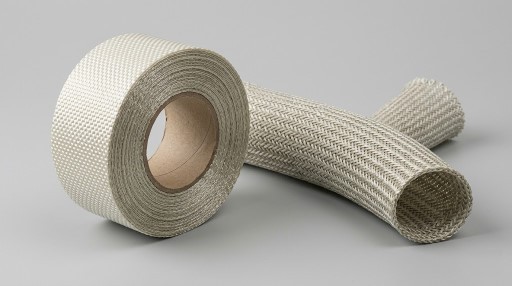 TAPES AND BRAIDS
- NON-WOVEN FABRICS, FIBERGLASS MATS, FLEECE
- SANDWICH MATERIALS
- Polyurethane foams
- SILICONES
- RELEASE AGENTS AND FILLERS
- Pigments for colouring
- Putties, Thinners
-
AUXILIARY MATERIALS AND ACCESSORIES
-
Epoxy and Polyester RESINS, HARDENERS AND GELCOATS
-
Epoxy and Polyester RESINS, HARDENERS AND GELCOATS
- CARBON, GLASS AND ARAMID ROWINGS
-
FABRICS
-
TAPES AND BRAIDS
- NON-WOVEN FABRICS, FIBERGLASS MATS, FLEECE
- SANDWICH MATERIALS
- Polyurethane foams
- SILICONES
- RELEASE AGENTS AND FILLERS
- Pigments for colouring
- Putties, Thinners
-
AUXILIARY MATERIALS AND ACCESSORIES
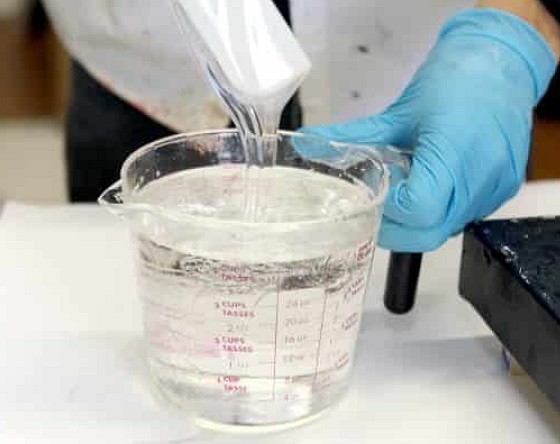
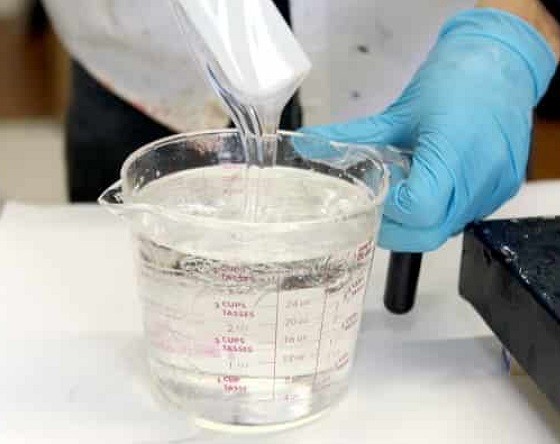 *Epoxy HAVEL*
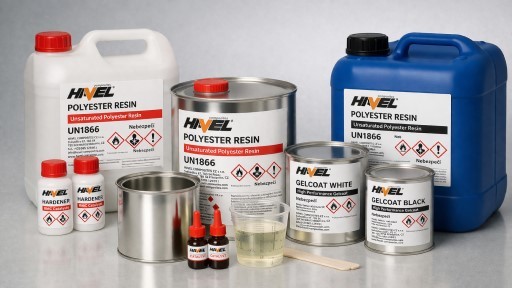 Polyester resins and gelcoats
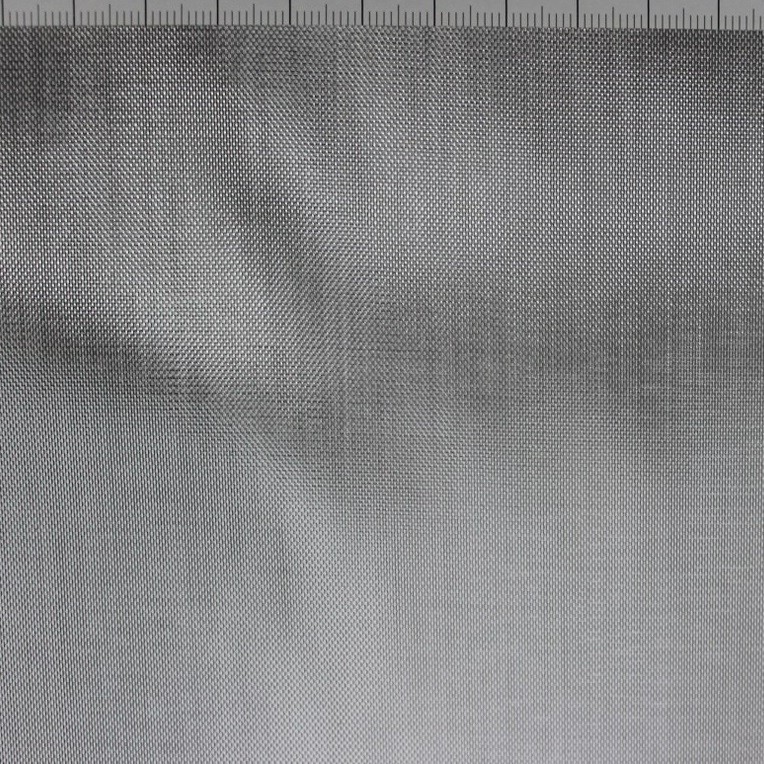 Glass fabrics
 Yarn
Yarn
 Aeroglass
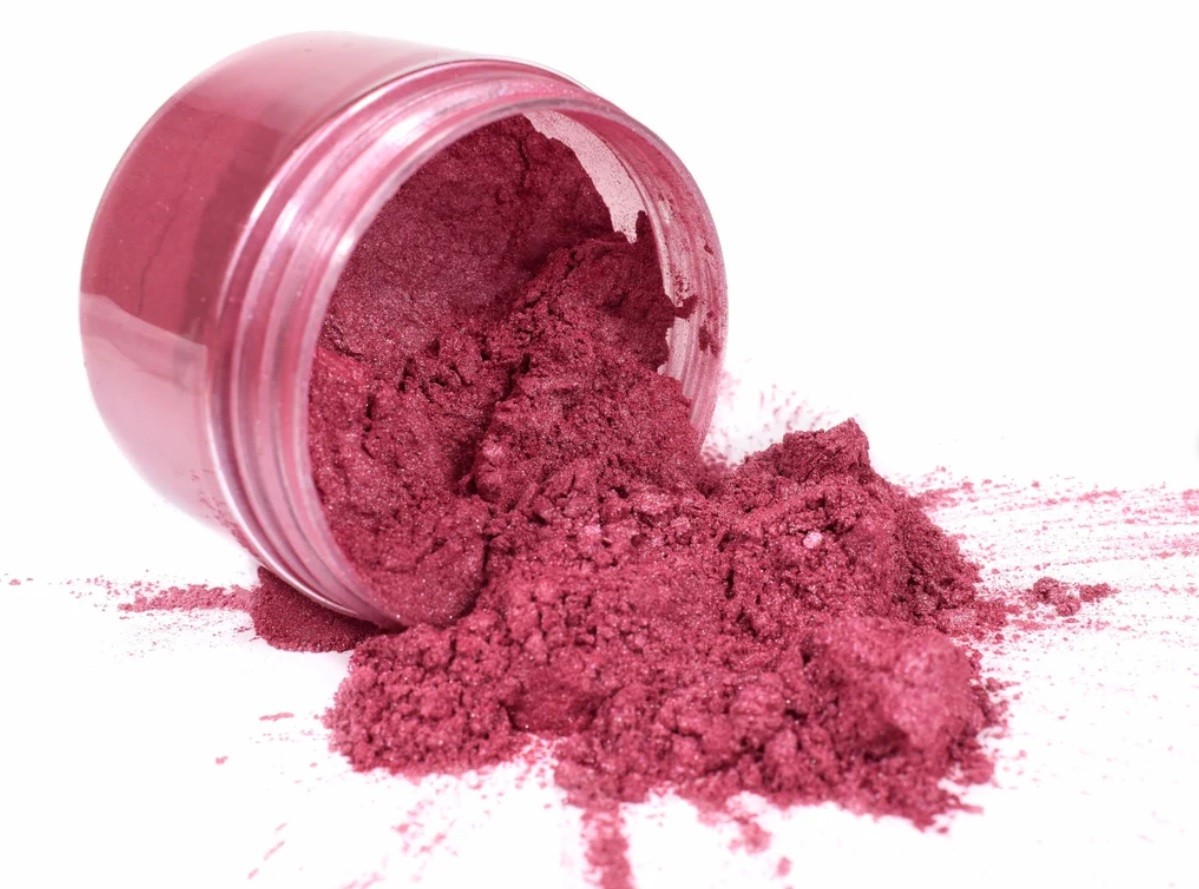 Pigments
Polyesterový gelcoat čirý GS 100 S - Norpol GS Base - S
Kč363.83
Tax included
Creates a smooth visual layer directly in the mold without further treatment. Use pigment pastes for coloring and Peroxide K1 for curing. Recommended layer thickness is 0.5 to 0.8 mm, applied by spraying or painting. Ensure proper thickness to avoid surface defects. Styrene removal is essential for effective curing.
The secret to smooth surfaces. It creates a smooth visual layer depending on the mold surface. The surface requires no further treatment after removal from the mold. You create the surface directly in the mold. Financial and effective savings. Pigment pastes for polyesters can be used for coloring. For curing, use Peroxide K1 (e-shop-polyester-resins-peroxides) in a ratio of 100:0.8-3. Recommended layer: 0.5 to 0.8 mm. Recommended application by spraying (must be diluted with styrene) or painting. Failure to adhere to the recommended thickness of the applied gelcoat may result in defects on the gelcoat surface. Remember that the styrene contained in polyester resins and gelcoats is heavier than air, and its accumulation in a closed or deeper-shaped mold significantly slows down the curing of the gelcoat. You can remove styrene by inverting the mold or blowing air so that the evaporated styrene spills out of the mold. For epoxy resins, use gelcoat T30 or T35 for perfect adhesion with the laminate (except for epoxies cured with hardener P11)
eshop_000015
No reviews
Tap to zoom